
 Türkçe
  English
  Русский
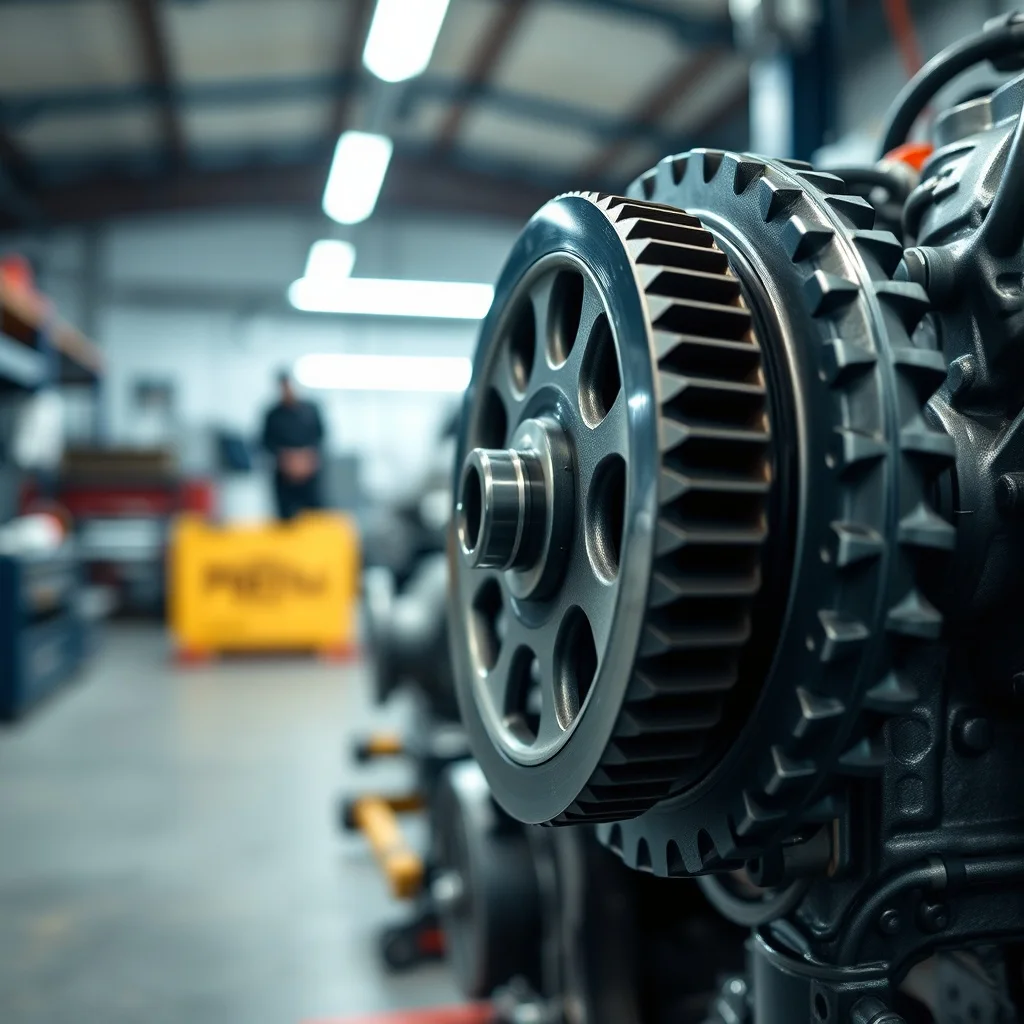
Abnormal sounds caused by the crankshaft pulley are a warning sign of wear and damage in the components that keep the engine running smoothly. Different types of noise, such as buzzing, ringing, rhythmic knocking, and squeaking, point to different faults. This guide covers symptoms by sound type, systematic diagnostic steps, and professional solution recommendations in detail.
Are you hearing a strange ticking, knocking, or cracking sound from your engine? This sound, especially noticeable at idle or low RPMs, may often indicate a problem with the crankshaft pulley. The crankshaft pulley (front belt pulley) is mounted on the end of the crankshaft and drives the timing belt or belt, operating auxiliary units such as the alternator and water pump. Over time, this part wears out or fails, leading to a characteristic noise.
The nature of the sound provides critical clues in determining the source of the problem. This noise, often resembling a metallic, rubbing, or free-spinning sound, can be caused by wear in the crankshaft pulley bearing, worn pulley teeth, or a bearing failure inside the pulley itself. The sound comes from the front of the engine block, usually near the timing cover, and its intensity changes with RPM.
To make an accurate diagnosis, the source of the sound must be narrowed down. A professional mechanic can use a stethoscope to listen to different points of the engine and determine whether the sound comes from the crankshaft pulley or from neighboring parts such as the alternator, tensioner bearing, or water pump. Early diagnosis is key to preventing more serious and costly problems (for example, timing belt failure).
What Is a Crankshaft Pulley and Why Does It Make Noise?
The crankshaft pulley is a vital component mounted on the crankshaft, usually located at the front (on the side where the timing belt is). Its main function is to dampen torsional vibrations generated in the crankshaft during engine operation. This ensures smoother engine operation and reduces fluctuations in the power transmitted to belt-driven accessories (alternator, air conditioning compressor, etc.).
It consists of two main parts: the inner metal hub and the outer pulley. Between these two parts, there is usually an elastomeric filler material such as rubber or polyurethane. This material absorbs vibrations and performs the damping process. Additionally, the crankshaft pulley may have a bearing at its center that reduces friction and wear while rotating on the shaft.
Over time, factors such as excessive use, heat, oil leaks, or incorrect installation can cause problems in these components:
- Rubber Damping Layer Wear or Tearing: The elastomeric material can harden, crack, or completely break. This creates play between the metal hub and the outer pulley. When the engine is running, these parts can hit each other, producing “tick-tock” or “knock-knock” sounds.
- Inner Bearing Wear: When bearing surfaces wear, friction and noise can occur as the housing rotates around its own axis. This usually leads to a higher-pitched, whistling, or growling sound.
- Imbalance or Damage: In the case of breakage, bending, or excessive wear, balance is lost. This can cause the engine to run unevenly and produce a general buzzing or humming sound.
A faulty crankshaft pulley usually produces sound from the lower part of the engine, on the side where the timing belt is located. The intensity and character of the sound vary depending on the type of fault. Carefully analyzing the symptoms is the first step toward solving the problem. Choosing the correct replacement part and professional installation both solve the issue and prevent further damage to the engine.
Symptoms and Types of Crankshaft Pulley Noises
Correctly interpreting abnormal sounds from your engine is one of the most important steps in identifying the source of the fault. Each type of sound can be associated with a different mechanical problem. Understanding the character and source of crankshaft pulley noises saves you both time and money.
Buzzing and Humming
A continuous buzzing or humming sound heard while the engine is running usually indicates balance issues in the crankshaft pulley or wear in the rubber suspension elements. This sound becomes more noticeable especially at idle speed. As RPM increases, the frequency of the hum may rise, but its intensity may decrease; this suggests the problem is caused by imbalance.
Ringing
A high-pitched ringing sound can occur due to loosening of the washers and bolts connecting the crankshaft pulley to the crankshaft, or due to wear in the tensioner mechanism. This sound may be more noticeable when the engine is cold and may fade after warming up. However, if neglected, it can lead to more serious problems.
Rhythmic Knocking
A regular knocking sound occurs when there are cracks in the crankshaft pulley or when the rubber sections have completely disintegrated. This sound speeds up and slows down in parallel with engine speed. It is heard at a low tempo at idle, while it becomes more pronounced under load and at high RPMs. This is the most critical symptom drivers should pay attention to because it indicates structural damage.
Squeaking
A metallic squeaking sound is usually caused by problems in the belt and tensioner system that drives accessories such as the alternator, air conditioning compressor, or power steering pump, along with the crankshaft pulley.